Loft Conversion Cleaning in Islington: Why the Dust Ends Up on Every Floor
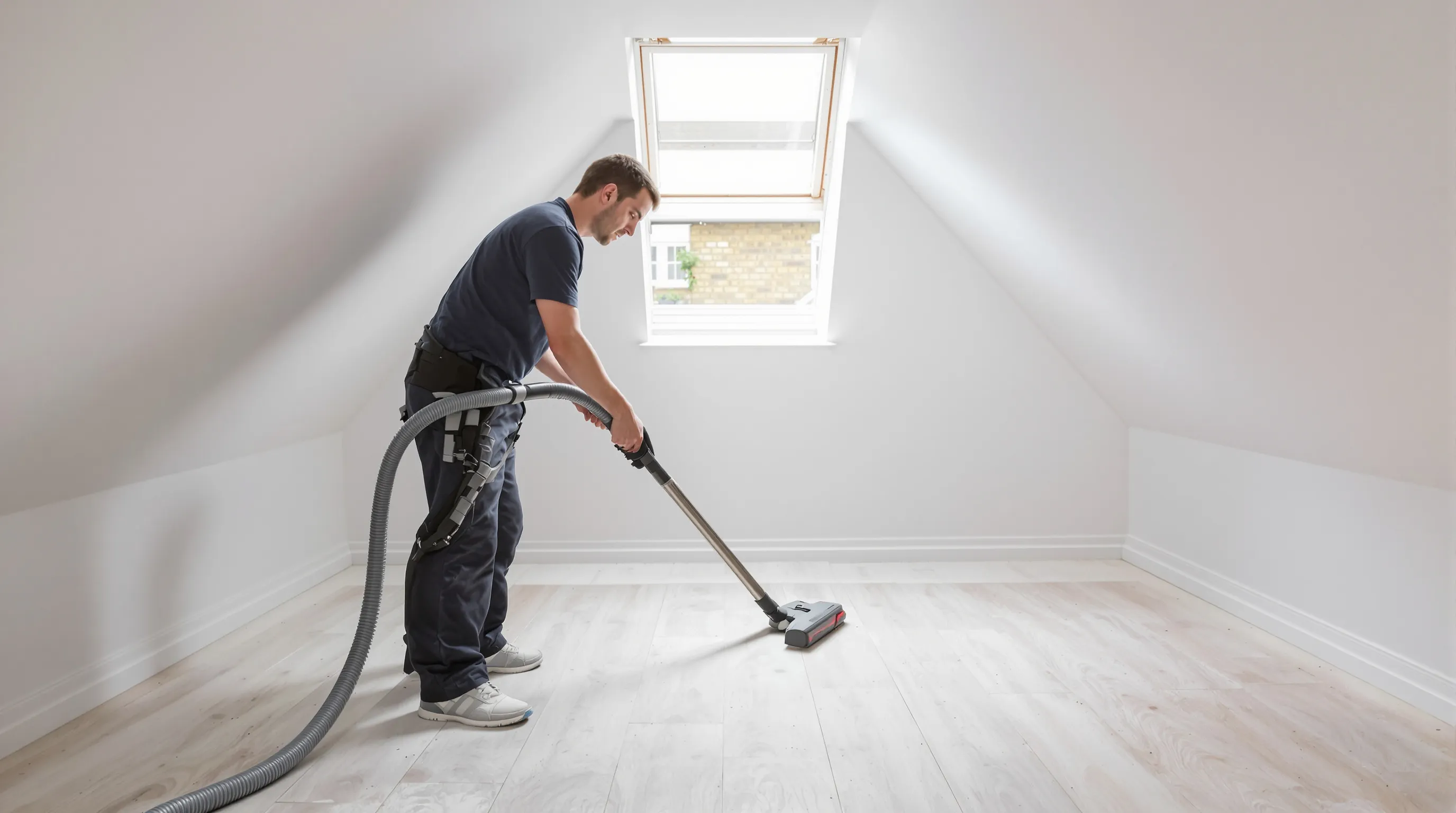
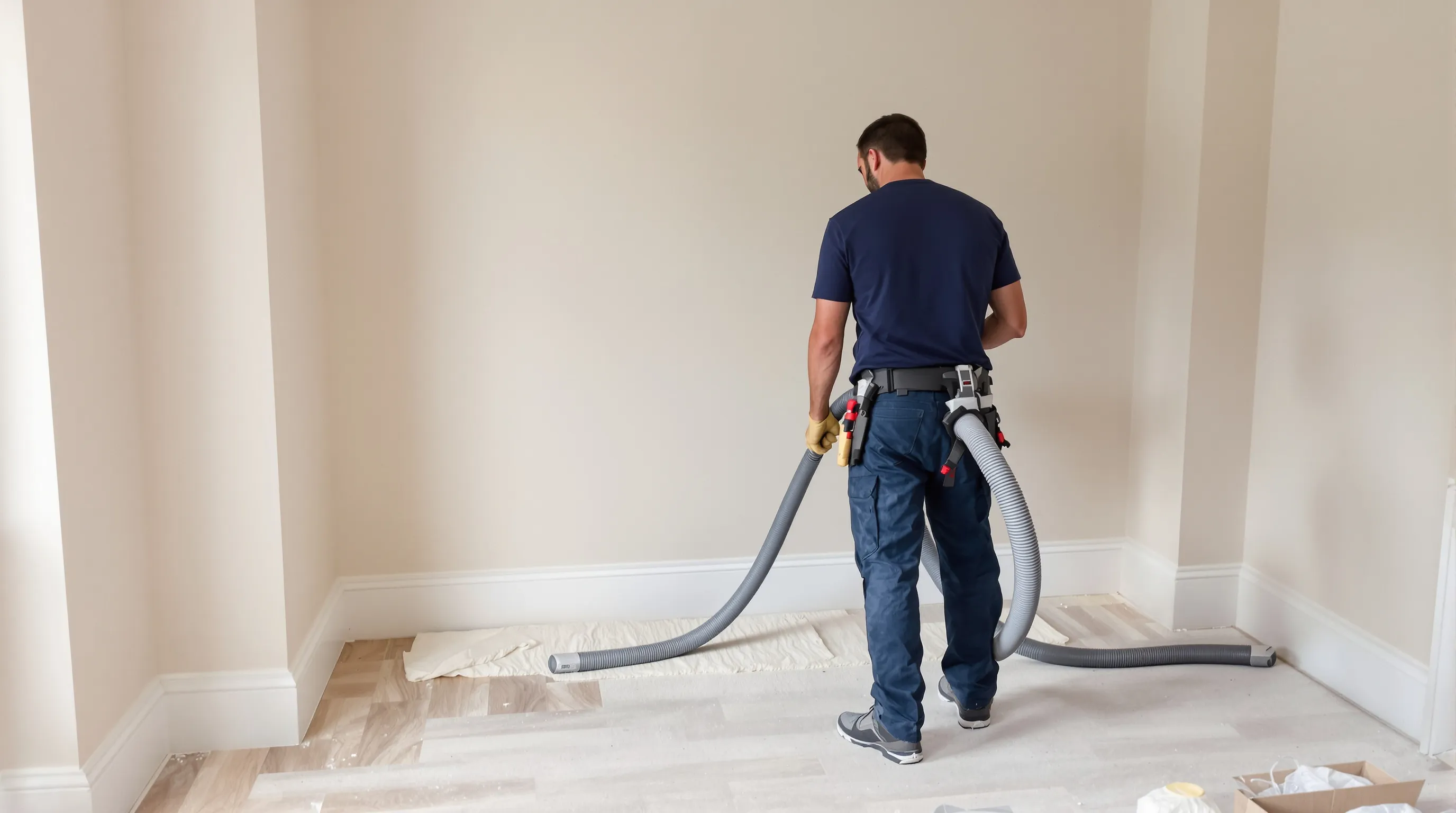
Loft conversion cleaning in Islington is a whole-house job dressed up as a one-room job. The build happens under the roof, but by the time the scaffolding comes down the dust has worked through every floor beneath it.
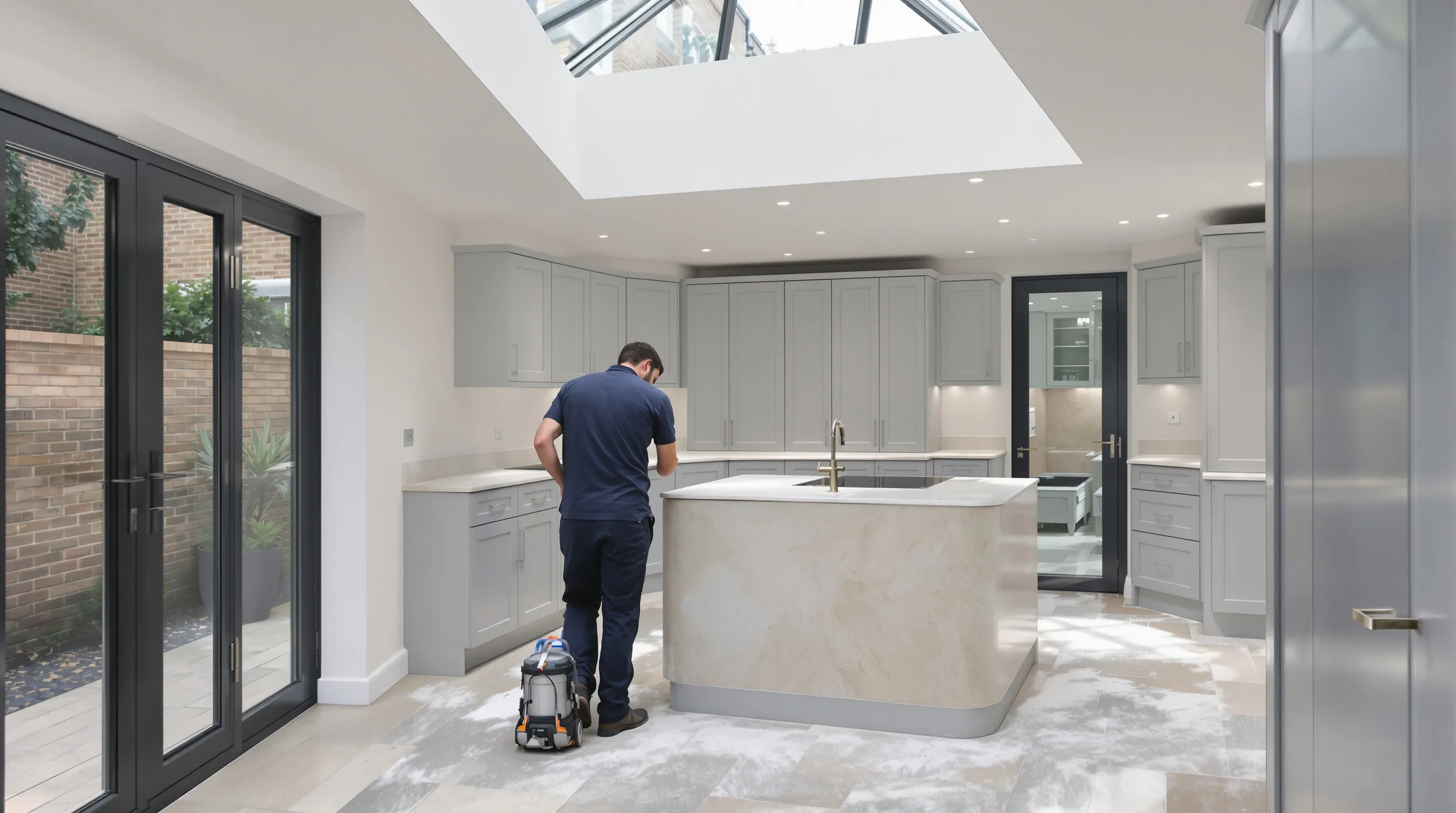
We see this weekly. Our team provides after builders cleaning in Islington across N1, N5 and N19, and loft conversions have become the most common project in the diary by some distance.
This guide explains why lofts dominate renovation work in the borough, where the dust actually settles, and how to time the clean so you are not wiping plaster off your bannisters a month after handover.
Table of Contents
- Why Loft Conversions Dominate Islington Renovations
- The Staircase Problem
- What a Post-Loft-Conversion Clean Covers
- When to Book Each Stage
- What It Costs in Islington
Why Loft Conversions Dominate Islington Renovations
Islington is one of the most restrictive boroughs in London for external alterations. The council has removed permitted development rights through Article 4 directions across 40 of its 42 conservation areas, which covers most of the Georgian and Victorian streets in Barnsbury, Canonbury, Highbury and Clerkenwell.
That planning picture shapes what actually gets built. Extending outwards is slow and uncertain, so families needing space go up instead, and rear dormers that follow the street's established roof pattern get approved routinely. Details are on Islington Council's planning pages.
The result is street after street of terraces gaining a bedroom and en-suite in the roof. A typical dormer or L-shaped conversion runs 8 to 14 weeks of structural work, plastering, first and second fix, and decorating.
Every one of those weeks makes dust. And unlike a rear extension, where the mess is at least concentrated on the ground floor, a loft build sits above every room you live in.
If your project also involves external alterations in a conservation area, our guide to renovating in an Islington conservation area covers that side in detail.
The Staircase Problem
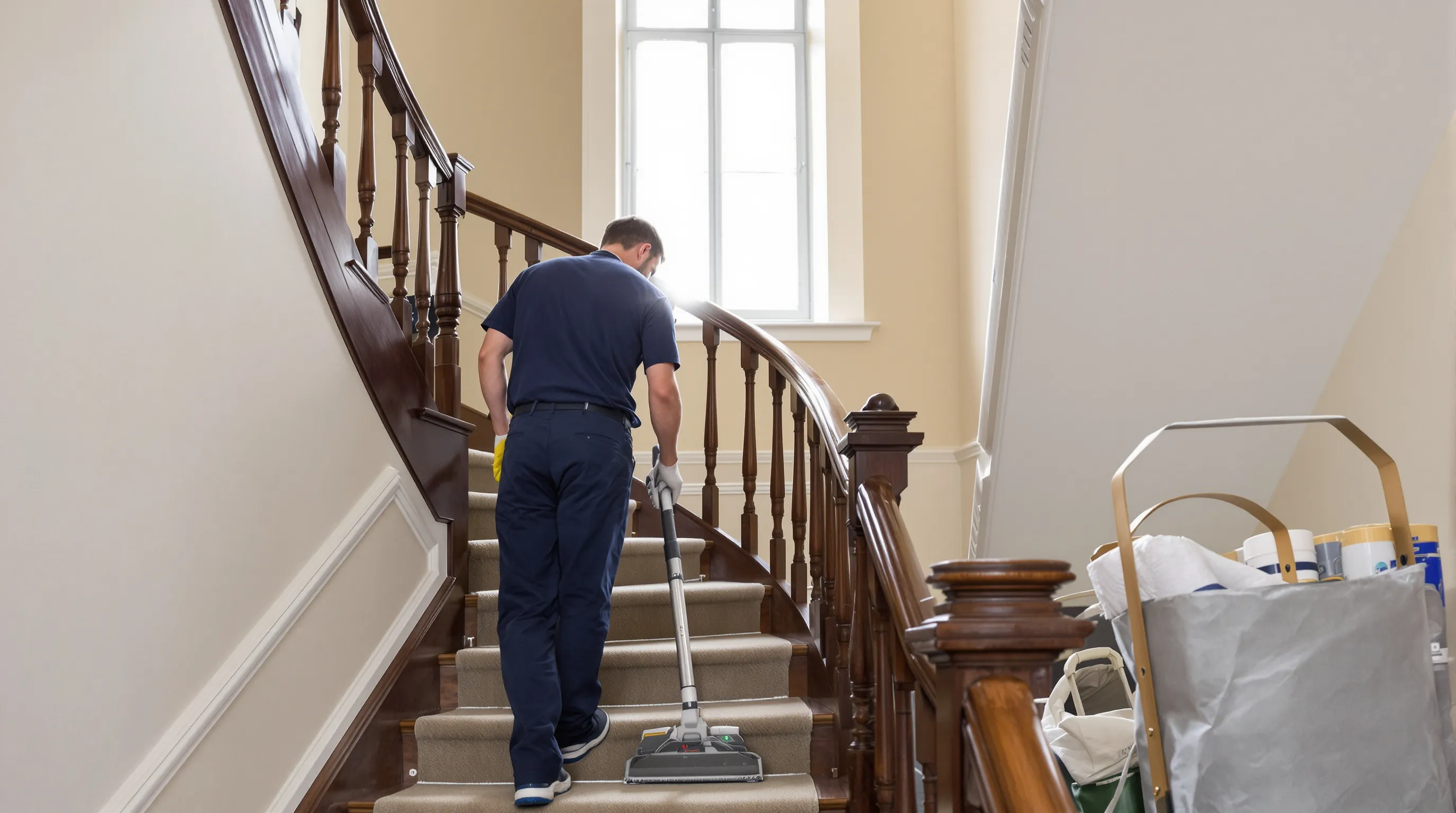
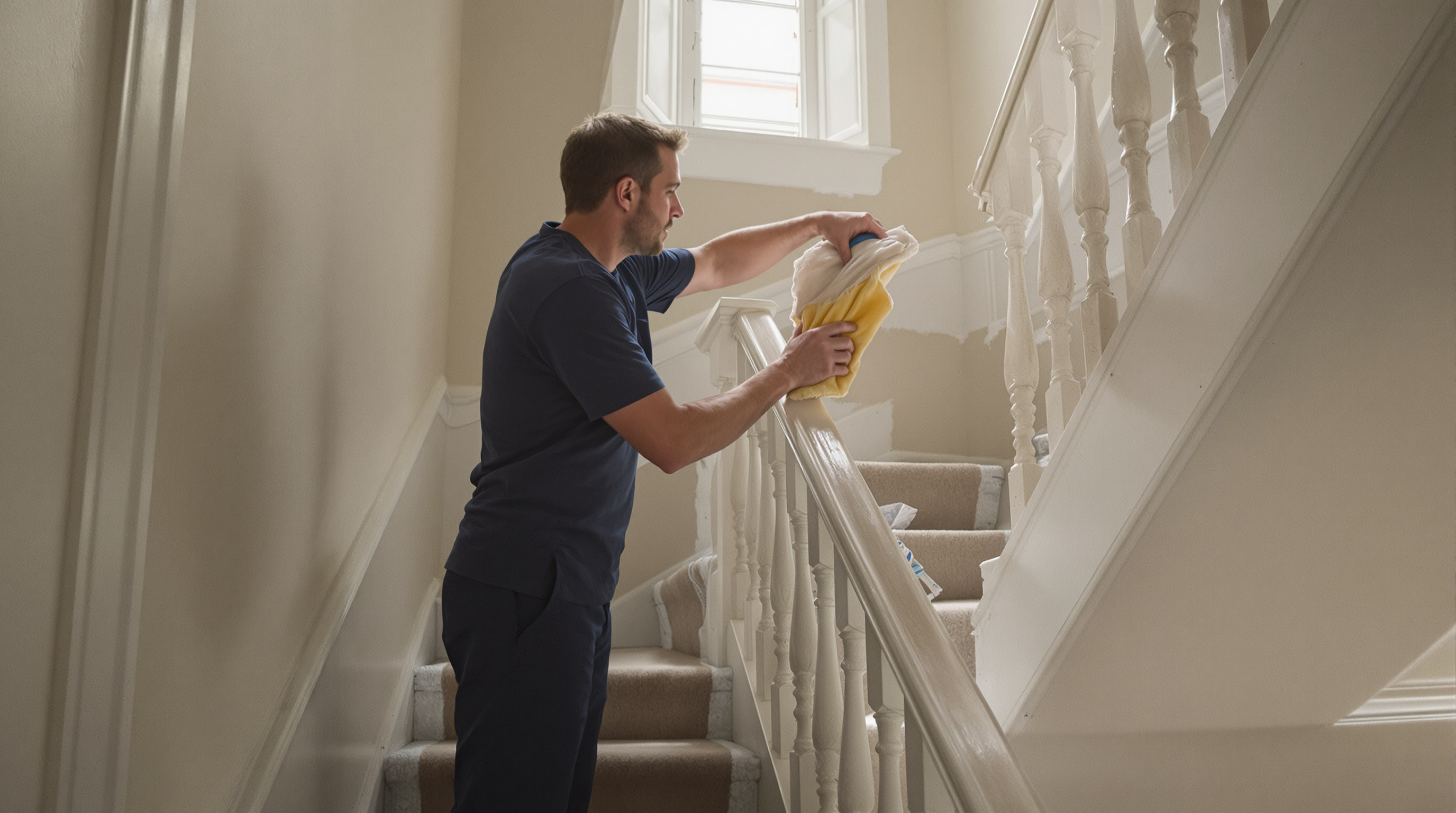
The new staircase is the reason loft conversion dust reaches the front door. It is the only route for materials up and waste down, and it acts as a chimney for fine dust throughout the build.
Plaster and silica dust behaves almost like smoke. It rides air movement down the stairwell, drifts across each landing, and settles in rooms two floors below the work, including bedrooms with the doors kept shut.
On Islington jobs we consistently find dust in the same places:
- Landing carpets and stair runners. The main traffic route holds grit deep in the pile, not just on the surface.
- Bannisters, spindles and handrails. Every edge and moulding collects a grey film that smears if wiped wet.
- Picture rails, cornicing and door frames. Horizontal period details on the floors below the build catch falling dust for weeks.
- Sash window boxes. The channels and weight compartments fill with fine dust and keep releasing it every time a window is opened.
- Radiators and their fins. Warm convection pulls dusty air through them, then redistributes it once the heating comes on.
- Sockets, switches and downlights. Fine dust settles inside fittings, which need careful dry cleaning rather than a damp cloth.
The new loft room itself is usually the easy part. It is freshly boarded, plastered and painted, with clean lines and no furniture. The three floors underneath it are where the hours go.
What a Post-Loft-Conversion Clean Covers
A proper clean after a loft conversion works from the top of the house down, one floor at a time. Dry extraction always comes first, because wet-wiping plaster dust turns it into a smeared paste on paintwork and glass.
In the loft itself, that means the ceiling line, dormer window and frames, new joinery, flooring and any built-in storage, inside and out. Fresh paintwork gets dry dusted before any damp finishing, and new glass has plaster spots lifted individually rather than rubbed.
Down the staircase, every spindle, handrail and skirting is dry dusted then damp finished. Carpets are HEPA vacuumed slowly, sometimes twice, because a single fast pass leaves the deeper grit behind.
On the floors below, the clean covers the details the build contaminated: period mouldings, window boxes, radiators, light fittings and furniture surfaces. The full room-by-room sequence we work to is in our after builders cleaning checklist.
One thing that surprises people: we clean inside wardrobes and drawers on the bedroom floors. Fine dust gets in through the gaps, and finding it on folded clothes three weeks after handover is exactly the call we are trying to prevent.
When to Book Each Stage
Loft conversions almost always need two visits, split around the snagging period.
Builders clean. Once plastering, sanding and decorating are done and the staircase is finished. Heavy extraction through the whole house, top down, plus first pass on glass, joinery and floors.
Snagging. The builder returns for touch-ups, filler and adjustments. Any sanding at this stage puts fresh dust into the stairwell, which is why the final clean has not happened yet.
Sparkle clean. The presentation pass once the trades are gone for good. Glass polished, paintwork finished, carpets done last. This is the clean that makes the new room feel like a bedroom rather than a building site.
The difference between the two cleans, and why doing one early rarely works, is covered in our builders clean vs sparkle clean guide.
What It Costs in Islington
Most Islington loft conversion cleans land between £300 and £600, with the sparkle clean quoted separately or as part of a two-visit package.
The price moves on four things: how many floors the dust reached, the finishes involved, how well the site was sealed during the build, and access for parking and equipment on N1 and N5 streets. A contained dormer with good dust doors costs less to put right than an open stairwell build.
For the fuller picture on pricing across the city, including what affects a quote and the ranges by property size, see our after builders cleaning cost guide for London.
Get an Islington Loft Conversion Clean Quoted
For an accurate quote, send us:
- the type of conversion, dormer, L-shaped or mansard, and the number of floors in the house
- what stage the build is at, and your target completion date
- photos of the new room, the staircase and any heavy dust areas below
- the finishes involved, new carpet, timber, glass balustrades, painted joinery
- parking and access details for the street
Whether the build is in Barnsbury, Canonbury, Highbury or anywhere else in the borough, we can plan the builders clean and sparkle clean around your snagging dates.
Request a quote or read more about our Islington after builders cleaning service.
Last updated: August 2026. Written by Luke Cervino, founder of The After Builders Cleaning Company, based on loft conversion and renovation cleans completed across Islington and North London.