End of Tenancy Cleaning in Fulham After a Refurbishment: A Landlord's Guide
Refurbishing a Fulham rental between tenancies is usually the right call. The gap between tenants is the only window to repaint, refit a bathroom or replace a tired kitchen without disrupting anyone.
But it creates a cleaning problem that catches many SW6 landlords out. End of tenancy cleaning in Fulham is priced and planned for lived-in properties, not for flats full of plaster dust, silicone smears and protective film residue.
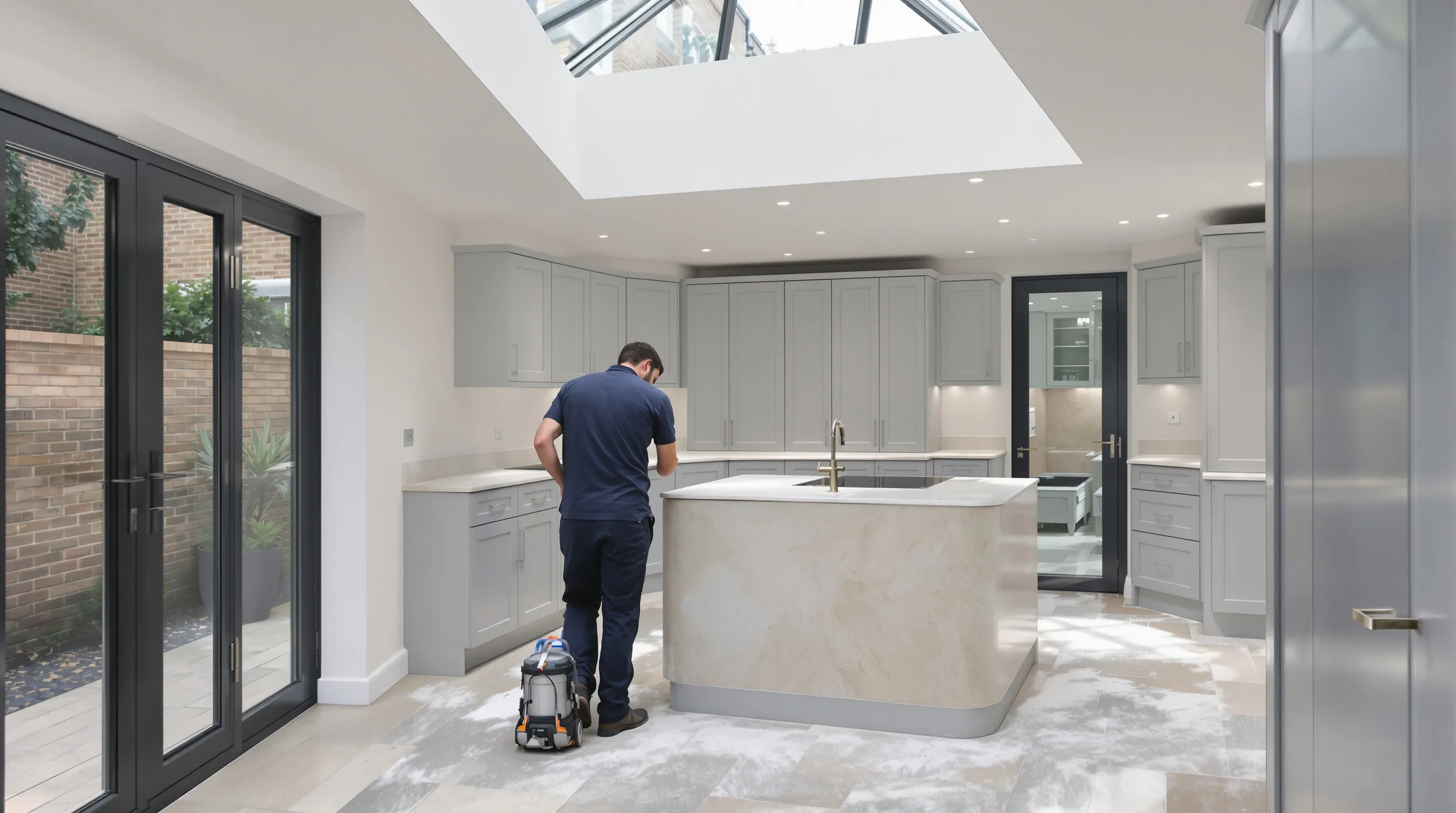
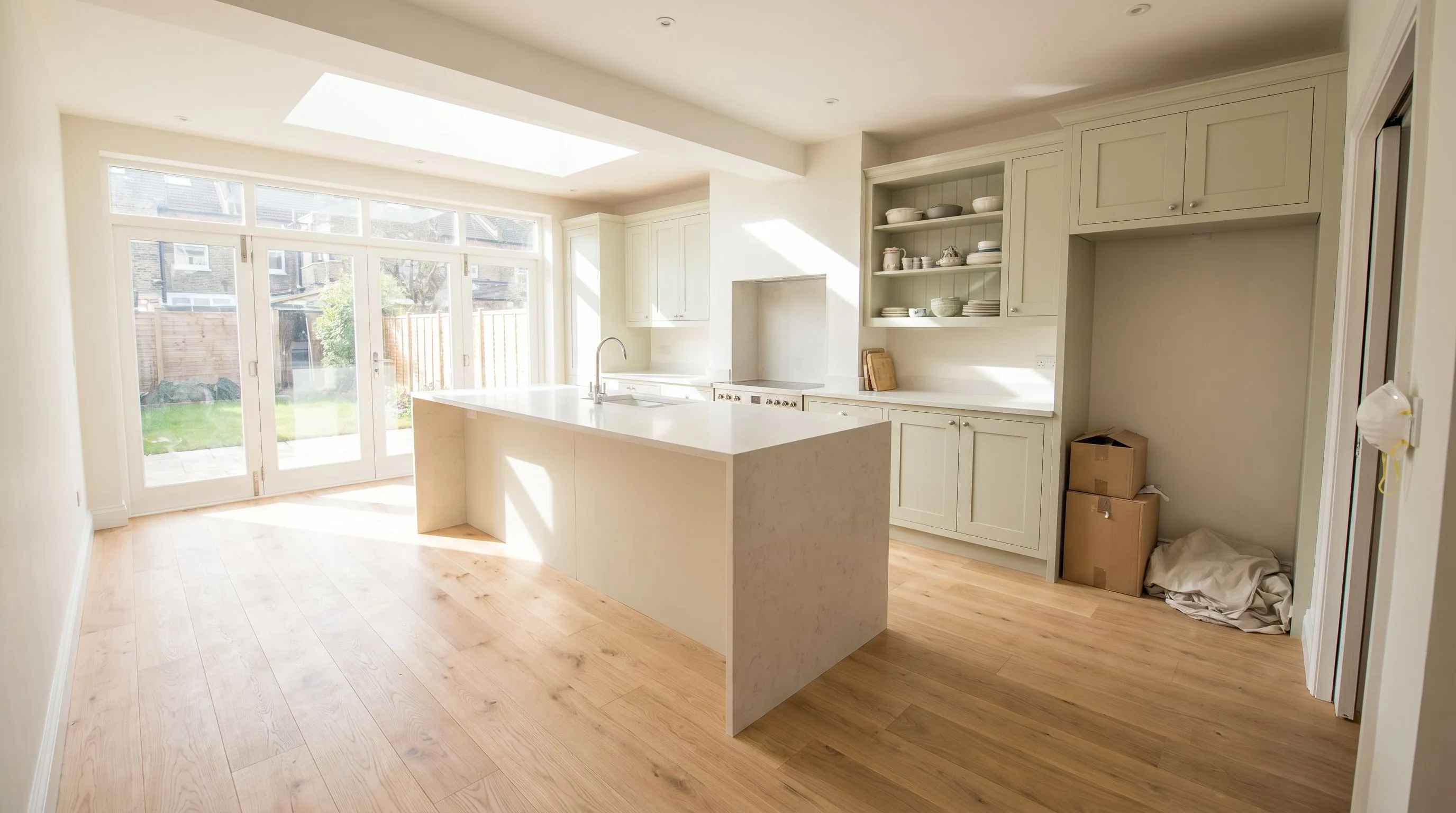
We provide after builders cleaning in Fulham across SW6, from Victorian conversions in Munster Village and Parsons Green to riverside apartments at Imperial Wharf and Fulham Reach. A good share of that work is for landlords getting a refurbished property ready for new tenants.
This guide explains how to sequence the cleaning stages after a refurbishment, what each stage actually covers, and how to protect your check-in inventory and your move-in date.
Table of Contents
- Why a Standard End of Tenancy Clean Fails After Building Work
- The Two-Stage Approach for Refurbished Rentals
- What Fulham Rental Stock Means for the Clean
- Timing the Clean Around Your Check-In Date
- Deposits, Inventories and Who Pays
Why a Standard End of Tenancy Clean Fails After Building Work
An end of tenancy clean is a deep clean to a defined standard: the condition recorded in the check-in inventory. It assumes normal domestic dirt. Grease in the oven, limescale on taps, dust on skirting boards.
Construction dust is a different problem. Fine plaster and sanding dust hangs in the air and keeps settling for days after the trades leave. Wipe a worktop on Monday and it has a visible film again by Wednesday.
There is also residue a domestic clean is not equipped for: silicone smears on new tiles, adhesive left by floor protection, paint flecks on glass, grout haze, and dust packed into extractor vents, socket faces and window tracks.
If a cleaning team tries to jump straight to the final polish, two things happen. The clean takes far longer than quoted, and the finish does not hold. That second point matters when an inventory clerk is photographing every surface at check-in.
The Two-Stage Approach for Refurbished Rentals
For any Fulham refurbishment that involved plastering, sanding, tiling or a kitchen or bathroom fit-out, plan two distinct stages.
Stage one is the builders clean. Heavy dust removal with HEPA-filtered vacuums, working top down, room by room. Dry removal first, then wet wiping. This stage deals with the dust inside cupboards, on top of door frames, behind radiators and in every track and groove. It also clears the residue: labels, film, silicone smears, paint spots.
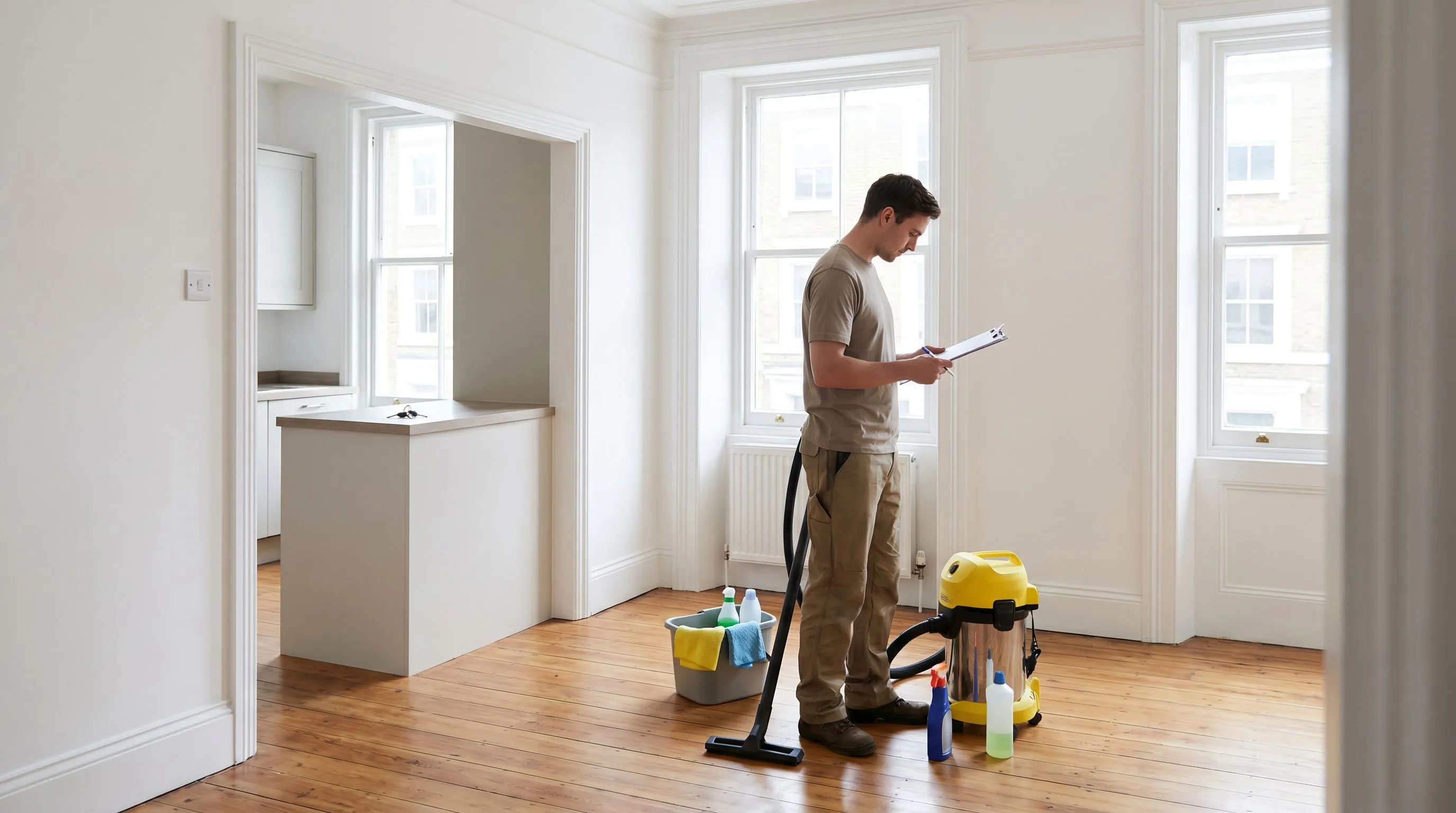
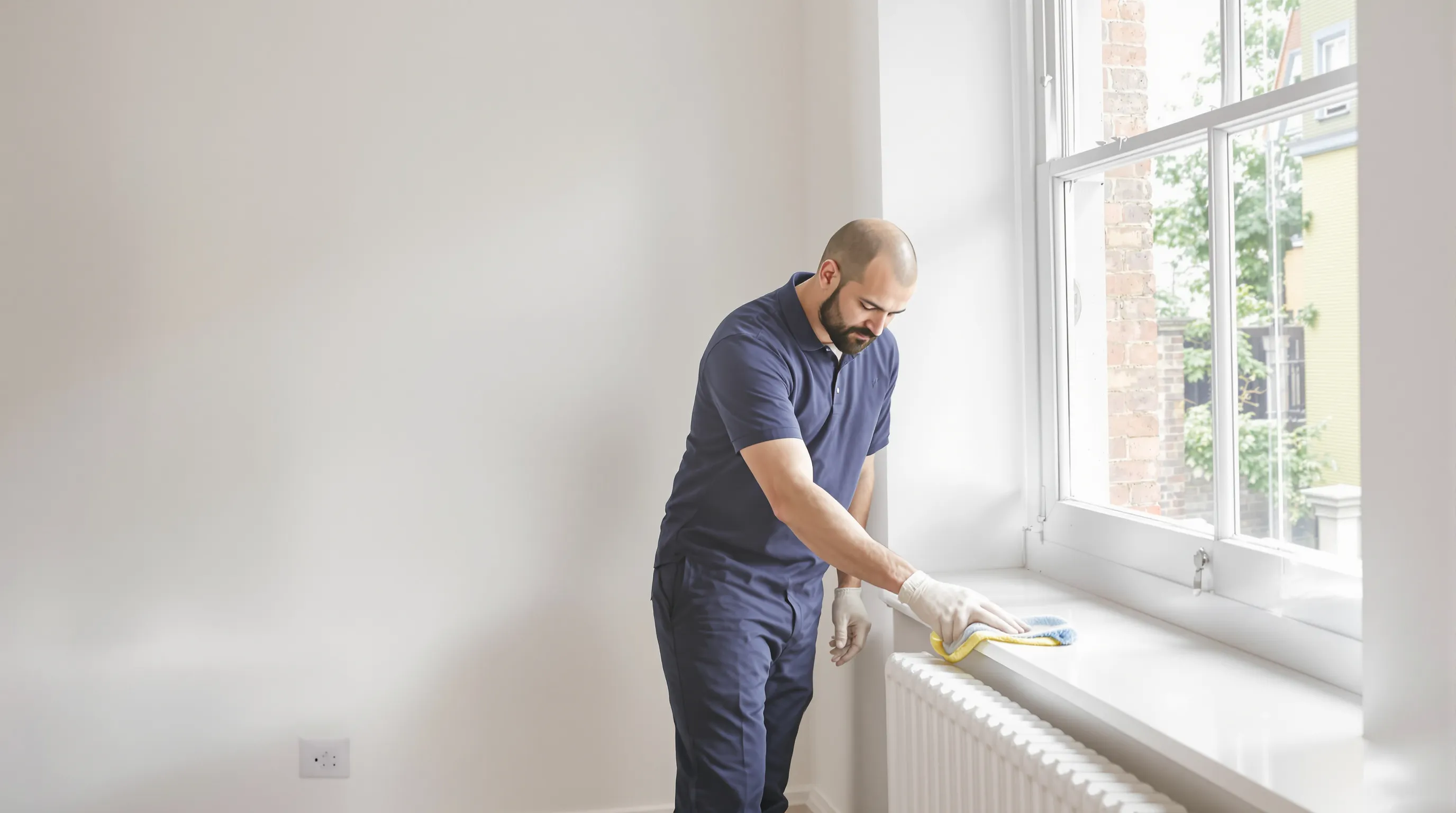
Stage two is the presentation clean. This is the true end of tenancy standard. Streak-free glass, polished taps and appliances, sanitised bathrooms and kitchen, floors finished, everything ready to photograph. It happens after snagging and touch-up painting, as close to check-in as possible.
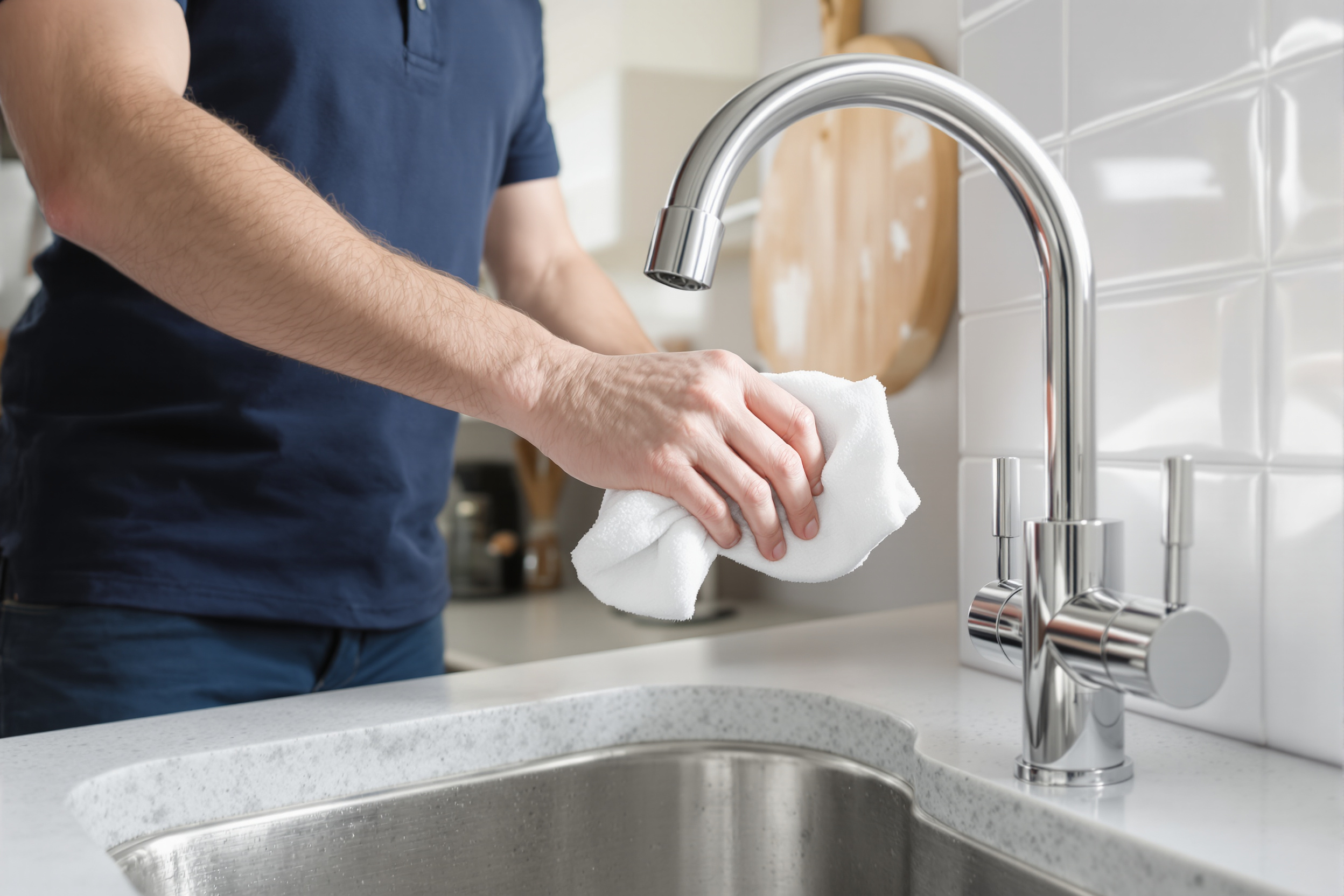
The two stages are different jobs with different equipment, and they are separated by the snagging period on purpose. Sanding a patch of filler after the final clean puts dust straight back onto finished surfaces.
Some lighter refurbishments, a repaint and new carpets for example, can be handled in a single combined visit. If you are unsure which you need, our guide to the builders clean vs sparkle clean explains where the line sits.
What Fulham Rental Stock Means for the Clean
Fulham's rental market is dominated by two property types, and they fail check-out inspections in different ways after building work.
Victorian conversions and terraces around Parsons Green, Hurlingham and Munster Village have original floorboards, sash windows, cornicing and panelled doors. Dust falls between floorboard gaps and sits in sash box channels, so it keeps reappearing after a surface-level clean. Period detail needs dry dust removal before anything damp touches it.
Newer riverside developments at Imperial Wharf, Fulham Reach and along Wandsworth Bridge Road are the opposite problem. Floor-to-ceiling glass, integrated appliances and stone worktops show every smear and water mark. Building management often restricts contractor hours and lift bookings, which affects how the clean is scheduled.
| Property type | Common post-refurb failure points | What the clean must include |
|---|---|---|
| Victorian conversion | Dust in floorboard gaps, sash tracks, cornicing | Repeated dry passes, detail work on period features |
| Terrace with extension | Dust spread across multiple floors, stair detail | Floor-by-floor clean, stair treads and spindles |
| Riverside apartment | Smears on glass, marks on stone and steel | Streak-free detailing, correct products per surface |
| Ex-rental flat refit | Residue on new kitchen and bathroom fittings | Silicone, grout haze and film removal before polishing |
Multi-floor terraces deserve a specific mention. Dust travels down stairwells for days after work on an upper floor, so stairs, bannisters and hallway skirting usually need a second pass at the presentation stage.
Timing the Clean Around Your Check-In Date
Void periods cost money, so the temptation is to book everything back to back. That is how move-in dates slip.
A sequence that works for most Fulham refurbishments:
Trades finish, including first-fix snagging. Anything that involves sanding, cutting or drilling happens before any cleaning.
Builders clean. One visit, sometimes two for basement or whole-house projects where dust keeps migrating.
Snagging inspection and touch-ups. Walk the property in good light. Paint touch-ups are fine after the builders clean, sanding is not.
End of tenancy standard clean. One to three days before the check-in inventory. Close enough that dust has no time to resettle, early enough to fix anything that gets flagged.
Check-in inventory and photography. The property is recorded at its best, which becomes the standard the new tenant is held to at check-out.
If marketing photos are being taken before the tenancy starts, schedule them straight after stage four. The same clean serves both purposes.
For a room-by-room breakdown of what the final stage covers, see our end of tenancy cleaning checklist.
Deposits, Inventories and Who Pays
One point worth being clear on, because it comes up in deposit disputes.
The outgoing tenant is responsible for returning the property to the condition in their check-in report, minus fair wear and tear. They are not responsible for any cleaning connected to works you carried out after they left. Refurbishment cleaning is a landlord cost, and deposit deductions cannot be used to cover it.
The flip side works in your favour. A properly documented post-refurbishment clean raises the recorded standard at the new check-in. The inventory photographs a spotless, freshly refurbished property, and that becomes the benchmark for the next check-out.
In our experience, landlords who skip the two-stage clean and let the letting agent's regular cleaner "give it a once over" end up paying twice. The first inspection flags dust in cupboards and tracks, the clean is redone, and the tenancy start date moves.
Get a Fulham Post-Refurbishment Cleaning Quote
For an accurate quote on a refurbished Fulham rental, send us:
- property type, size and number of floors
- what work has just been completed
- current site photos
- your check-in or marketing photography date
- access details, including any building management rules
We can quote the builders clean and the final end of tenancy standard clean together, sequenced around your snagging and inventory dates. Costs follow the same factors as any SW6 project, which we break down in our Fulham after builders cleaning cost guide.
Request a quote or read more about our Fulham after builders cleaning service.
Last updated: July 2026. Written by Luke Cervino, founder of The After Builders Cleaning Company, based on post-refurbishment cleans completed across SW6 rental properties.